Dryer Vent Cleaning on Multifamily Buildings: Method, Schedule and Notices
Lint builds up where residents can't see it. Here is how exterior dryer vent cleaning works on a multi-unit building and how to schedule it without chaos.
October 17, 2026 · 3 min read
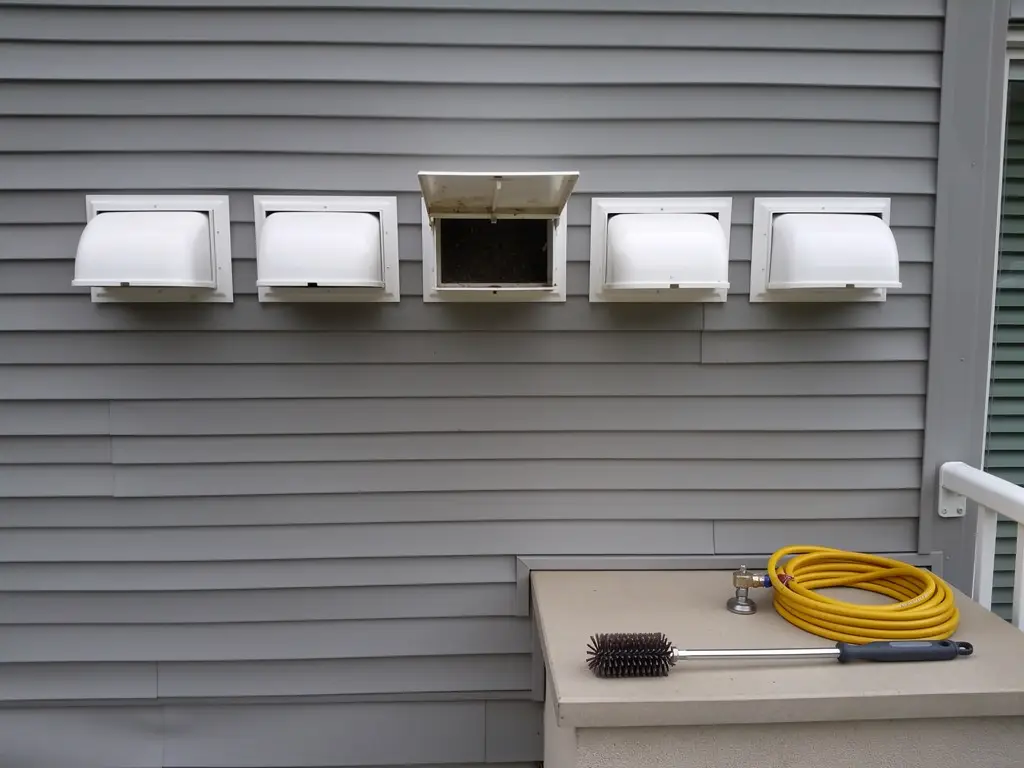
Dryer vents are one of the quietest maintenance items on a multifamily property. Nobody thinks about them until a resident complains that towels take two cycles to dry, or until a manager hears about a vent fire at a neighboring community. By then the lint has been collecting for years.
Cleaning the vents is a routine job, and on a building with dozens of units it is a scheduling job as much as a cleaning job. Understanding the method and the logistics helps a board decide when to do it and how to communicate it.
Why vents clog and why it matters
Dryers push warm, moist air and fine lint through a duct to the outside. Lint that escapes the lint trap settles along the duct walls, especially at bends and at the exterior hood. Over time it narrows the path. A narrower path means longer drying times, more heat building up in the dryer, and a higher chance that the lint itself ignites. Lint is dry, fine and flammable, which is why manufacturers and fire agencies talk about vent cleaning at all.
The Pacific Northwest adds a second concern. Damp air carrying lint tends to cake rather than blow clear, and exterior hoods can collect moss, nesting material or debris. Multifamily buildings often have long duct runs through shared walls, which makes them harder for residents to clean themselves even if they wanted to.
- Clothes that take longer than usual to dry.
- A laundry area that feels unusually warm or humid.
- Lint visible around the exterior hood or on the siding nearby.
- A hood flap that sticks, doesn't open, or is blocked by debris.
The compressed-air method from the exterior
HOA Services cleans dryer vents from the exterior using compressed air. A technician works from outside the building, at the exterior hood, and uses compressed air to push lint out of the duct and clear it from the termination point. Because the work is done from outside, it avoids most of the unit-by-unit access problems, which makes it far easier to schedule across a large building.
The exterior hood gets attention too. A technician checks that the flap moves freely, clears any debris or nesting material, and notes anything damaged. Where a hood is cracked, missing or sagging, the account executive can raise it as a repair item on the same job ticket rather than leaving it for a later call.
Scheduling unit by unit
On a multifamily building the real work is coordination. Vents are tied to individual units, but the cleaning is a building-wide event. A practical approach is to work in order, building by building, with the account executive building the sequence around the property layout so the crew isn't walking back and forth across a community.
Starting from the exterior removes most of the access question. Some situations still need a conversation, such as an exterior hood behind a locked patio gate or a unit with a screened balcony. Those get flagged early and handled as exceptions rather than holding up the whole building.
Resident notices
Tenants and owners rarely object to the work. They object to surprises. Resident notices can be distributed in advance, and a good notice says which dates the crew will be on the property, which buildings are scheduled when, and whether anyone needs to be home. Short, plain and specific works best. If a unit has a gate or an item blocking the hood, the notice can ask residents to clear it.
The account executive is the single point of contact, so residents and the manager aren't chasing different people for the same information. Questions go to one place, and the same person follows up.
Cadence and documentation
How often to clean depends on the property. A community with heavy laundry use, long duct runs, or trees and moss around the hoods may want a more frequent cycle than a small building with short runs. Many managers set dryer vent cleaning as a recurring item on the annual seasonal calendar, alongside roof and gutter work and winterization, so it happens on schedule instead of after a complaint.
Each visit generates a job ticket. Technicians take before, during and after photos, and the account executive emails a status update with that photo record. For a board, that documentation answers the question of whether the work was actually done, and it makes a good paper trail if an insurer or a fire inspector ever asks.
To add dryer vent cleaning to your community's calendar, call HOA Services at (503) 620-8386 or email office@hoafixit.com. Proposals are free.
HOA Maintenance Services, (503) 620-8386
Call (503) 620-8386More articles
Why a Documented Property Walk Beats Reactive Repair Calls
The Maintenance Shield Program replaces scattered emergency calls with one documented walk, one report and one vendor.
Where Water Gets Into Multifamily Buildings in a Wet Northwest Winter
Caulk seams, decks, gutters, crawl spaces, attics and siding: where moisture finds a way in, and how a leak investigation is run from the first report.