Pressure Washing, Soft Washing or Floor Scrubbing: Choosing by Surface
The right cleaning method depends on what is underneath the dirt. A practical guide for managers choosing between pressure, soft wash and power scrubbing.
October 17, 2026 · 3 min read
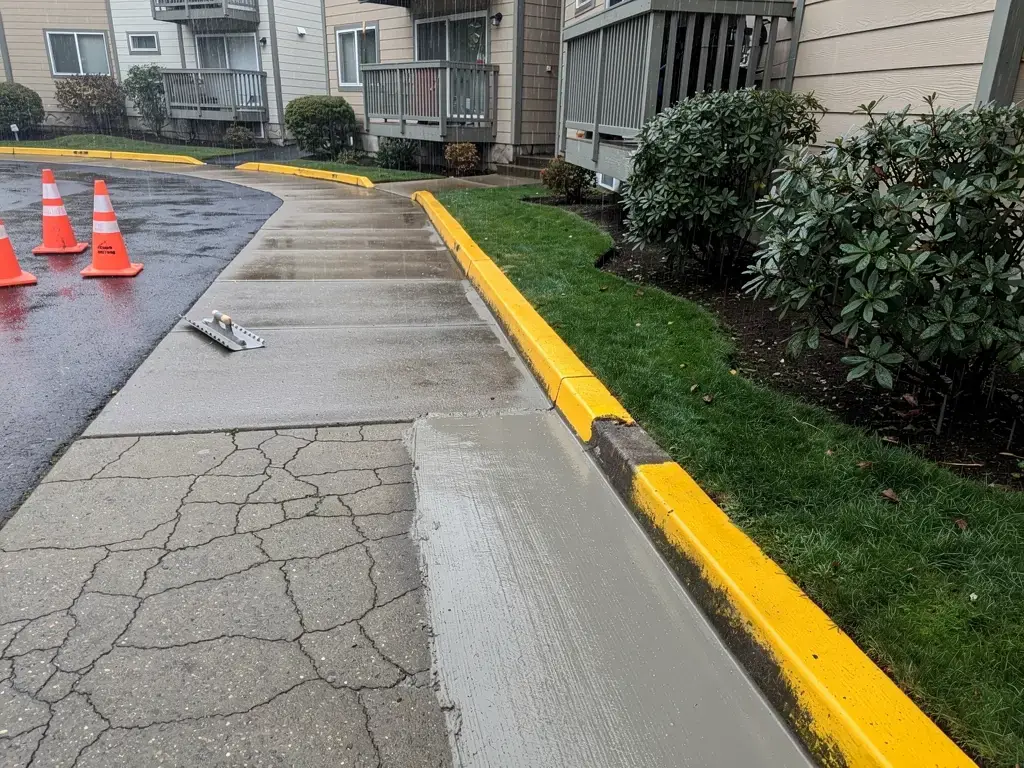
Cleaning a building exterior sounds like one job, but it is really several. Moss on vinyl siding, oil on a parking garage floor, algae on a cedar stair and mildew on a stucco wall are different problems, and each one calls for a different method. Using the wrong approach either fails to clean the surface or damages it.
For a board or property manager, a basic understanding of the three main methods helps with comparing proposals and with knowing what to ask. The deciding factor is almost always the surface material.
The three methods in plain terms
Pressure washing uses concentrated water pressure to strip dirt, stains and growth from hard, durable surfaces. Soft washing uses lower pressure with a cleaning solution that does most of the work, and is suited to surfaces that high pressure would harm. Floor power scrubbing uses a machine with rotating brushes or pads and a cleaning solution to scrub large flat floors, then recovers the dirty water.
Neither pressure nor chemistry is automatically better. The goal is to remove the contaminant without gouging, stripping or driving water where it shouldn't go. HOA Services decides by material, which is how its building siding work is described: soft wash or pressure wash, depending on what the siding is made of.
Siding
Siding is where the wrong method does the most damage. Pressure that suits concrete can force water behind lap siding, lift paint, cut into soft wood or etch some composite surfaces. Wet Northwest conditions make algae and mildew common on shaded walls, and these respond well to soft washing, which loosens growth at the root and rinses it off gently.
Sturdier materials may tolerate more pressure, but the technician still needs to check seams and trim before deciding. Siding that is already failing at its joints should be repaired before or alongside washing, so cleaning water doesn't find the gaps.
Concrete walkways and parking areas
Concrete is the natural home of pressure washing. It tolerates strong pressure, and it collects the kind of buildup that needs it: tire marks, oil, algae in damp spots and general grime. Walkways and curbs that are slick with algae can be a safety issue for residents as well as an appearance issue, and cleaning them is usually a spring task on the calendar.
A pressure washer and trailer can cover a lot of ground at a retail center or a community with long walks. Washing also reveals cracks and spalling that were hidden under dirt, which is useful information for the repair list.
Decks and stairs
Wood decks and stairs sit in the middle. They need cleaning because moss and algae make them slippery, but too much pressure raises the grain and leaves gouges. The usual answer is lower pressure, the right cleaner and attention to technique. After cleaning, the surface shows its real condition: soft spots, loose fasteners and worn treads that need repair.
That's why washing and inspection belong together. A stair that looks fine under a layer of moss may be hiding rot, and washing is the moment to find out.
Parking garages and trash enclosures
Parking garages collect oil, tire residue and road grime on large flat floors. This is the job floor power scrubbing was built for. A scrubbing machine works evenly across the floor, lifts embedded dirt that a spray alone doesn't move, and picks up the wastewater rather than sending it down a drain.
Trash enclosures need frequent attention for a different reason. Spills, liquids and food waste leave odors and attract pests. A regular wash-out of the pad and enclosure is part of porter service on many properties, and a pressure wash is the right tool for the hard surfaces involved.
- Lap, vinyl or painted siding: soft wash, with seams checked first.
- Concrete walks, curbs and slabs: pressure washing.
- Wood decks and stairs: reduced pressure with the right cleaner, followed by inspection.
- Parking garage floors: floor power scrubbing.
- Trash enclosures: pressure wash-out, repeated on a schedule.
Scheduling and records
Most of this work belongs on the spring portion of the seasonal calendar, with follow-up passes where a property needs them. Requests become job tickets, technicians take before, during and after photos, and the account executive emails a status update with the photo record. When a board asks what was cleaned and how it looked afterward, the photos answer it.
A free proposal from HOA Services starts with the surfaces on your property. Call (503) 620-8386 and the account executive assigned to your community can go through them with you.
HOA Maintenance Services, (503) 620-8386
Call (503) 620-8386More articles
Why a Documented Property Walk Beats Reactive Repair Calls
The Maintenance Shield Program replaces scattered emergency calls with one documented walk, one report and one vendor.
Where Water Gets Into Multifamily Buildings in a Wet Northwest Winter
Caulk seams, decks, gutters, crawl spaces, attics and siding: where moisture finds a way in, and how a leak investigation is run from the first report.